
Real Estate31 Mar 2025
Land Banking in Lagos: How Patient Investors Build Generational Wealth
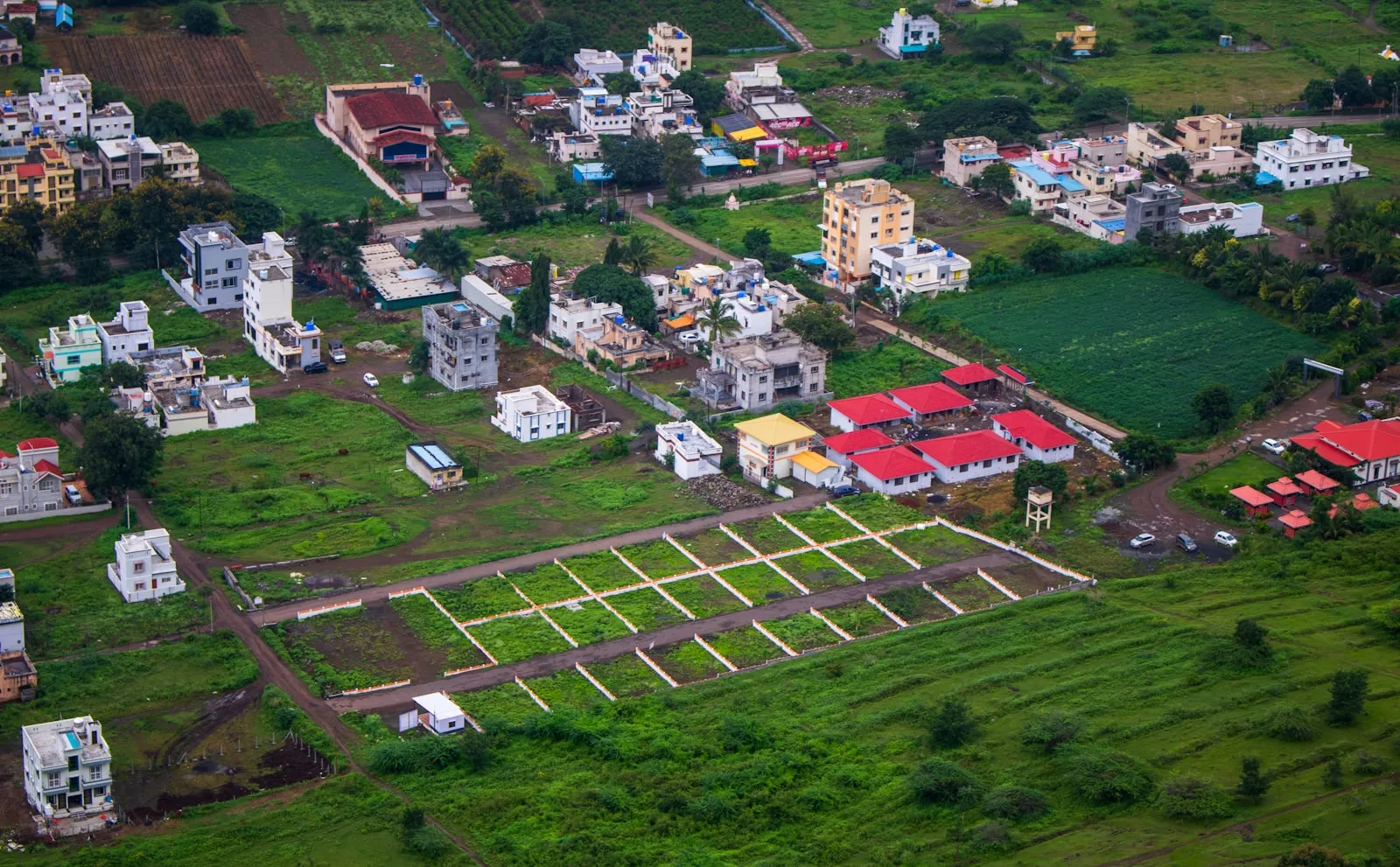
How to buy tomorrow's town while it still looks like farmland, with documents that survive the transformation.
Read more
No corridor in Nigerian real estate history has attracted attention, or marketing noise, like Ibeju-Lekki. The pitch writes itself: Africa's largest oil refinery, Nigeria's deepest seaport, a free trade zone, a proposed international airport, all landing in one stretch of coastline east of Lagos. Land that sold for a few hundred thousand naira a plot in 2015 now trades in the millions. But inside the corridor, outcomes vary wildly. Some buyers have multiplied their money; others own beautifully-marketed plots that will not be developable for twenty years. Here is the honest map.
Unlike most "next big area" stories, Ibeju-Lekki's anchors are real, physical, and already operating:
This is the crucial difference between Ibeju-Lekki and purely speculative corridors: demand here is being manufactured by employers, not just promised by marketers.
"Ibeju-Lekki" covers a vast area, and location discipline matters more here than anywhere in Lagos:
Strongest fundamentals. Land within realistic reach of the refinery gates, the port, and the free trade zone, especially parcels along or near the expressway with gazetted excision or C of O. These benefit from worker housing demand that already exists.
Promising but longer-dated. The Epe axis, riding the corridor's spillover plus its own drivers: new institutions and agro-industry. Prices are gentler; the horizon is longer.
Pause and verify. Deep-interior plots marketed off the back of the proposed airport or proposed Fourth Mainland Bridge. Projects that remain unbudgeted or unstarted should be treated as a bonus if they happen, never the basis of the price you pay. And a hard local rule: significant stretches of Ibeju-Lekki remain under government acquisition, so chart every survey plan at the Surveyor-General's office before paying. A committed plot inside acquisition is a total loss dressed as a bargain.
Indicative price of a 600sqm plot near the corridor spine (₦ millions)
"Ibeju-Lekki rewards the investor who buys where the workers will live, and punishes the one who buys where the brochure says the airport might be."
The easy 10x from farmland prices is largely gone along the corridor spine, but "too late" is the wrong frame. The corridor is transitioning from speculative phase to development phase: the next decade's returns come less from raw land flips and more from serving the population that the refinery, port, and factories are importing. That means worker housing, rentals, short-lets for contractors, retail premises, and serviced plots for the middle class. That phase is typically less explosive but more durable, and it favours investors who buy verified title near real activity and hold with a plan.
Our practical entry rules: buy gazetted or C of O land only; stay within reach of the expressway or an active anchor; visit the land physically in rainy season; and size the purchase so you can comfortably hold for five to ten years. The corridor's fundamentals are real. Your discipline decides whether you capture them.
CBC's real estate advisors know Ibeju-Lekki plot by plot, sourcing verified land and development opportunities near the corridor's real growth anchors.
Continue Reading
How to buy tomorrow's town while it still looks like farmland, with documents that survive the transformation.
Read more
The exact checks to run (registry search, charting, gazette confirmation) before you pay for any Lagos land.
Read more
The five Lagos corridors positioned for the biggest appreciation before the mainstream market catches on.
Read more