Imagine paying millions of naira for a property, receiving pictures of the land, celebrating your new acquisition, only to discover that the property belongs to someone else. Unfortunately, this is one of the realities that makes real estate investment in Nigeria a difficult decision for many prospective buyers.
A 2026 analysis of 9,658 property-related enquiries by Lagos-based property educator Folajomi found that 1,418 questions, approximately one in seven, were driven by fears of being cheated. While this is not a national fraud rate, it highlights just how much uncertainty surrounds property transactions in Nigeria.
So, how do you protect yourself when investing in real estate, particularly in Lagos?
What Are the Common Real Estate Scams in Nigeria?
Property fraud in Nigeria often involves multiple claims to the same land, forged documents, unauthorised sellers, and developers or agents misrepresenting their ownership rights. Some buyers even receive pictures and videos of properties without knowing that the person presenting them has no legal authority to sell.
Four Common Property Scams to Watch For
This is why seeing a property physically or receiving its photographs is not enough. Before making payment, buyers should request the relevant title documents, conduct independent verification and engage a property lawyer.
At Catalyst Properties, we recognise that trust begins with transparency. Our approach to property development prioritises providing buyers with the relevant property documentation and information needed to understand their acquisition.
How Can You Verify Property Ownership in Lagos?
Before buying property in Lagos, request the relevant title documents and have them independently verified by a qualified property lawyer and registered surveyor.
Depending on the property's history, these documents may include:
- Certificate of Occupancy (C of O).
- Deed of Assignment.
- Governor's Consent.
- Survey Plan.
- Gazette or Excision documents, where applicable.
A Certificate of Occupancy, for instance, provides evidence of a statutory right of occupancy, while Governor's Consent relates to the approval of certain property transfers.
Importantly, possessing a document does not automatically establish that the seller has the right to transfer the property. The documents must be checked against the relevant government records.
Lagos State also provides an electronic land administration portal where property searches can be conducted. Never allow the excitement of acquiring a property to replace proper due diligence.
Verify Before You Pay: A 5-Step Checklist
- 1Request the title documentsC of O, Deed of Assignment, Governor's Consent, Survey Plan and any Gazette or Excision papers.
- 2Engage a property lawyerHave the documents reviewed independently, not by the seller's representative.
- 3Instruct a registered surveyorConfirm the survey plan matches the land you are being shown.
- 4Search the government recordsCheck the documents against Lagos State records through the electronic land portal.
- 5Only then, make paymentPay once ownership and the seller's right to transfer have been confirmed.
What Are the Different Types of Property Ownership in Nigeria?
Property ownership in Nigeria can take different forms depending on the legal structure and interest being acquired. Some common arrangements include:
1. Sole Ownership: A property interest held by one individual or legal entity.
2. Joint Ownership: Two or more people acquire interests in the same property. This may take the form of joint tenancy or tenancy in common, depending on the agreement.
3. Family Ownership: Property held collectively by members of a family, usually through recognised family representatives.
4. Corporate Ownership: Property acquired and held by a registered company rather than an individual.
5. Leasehold Ownership: The right to use and occupy a property for an agreed period, subject to the terms of the lease.
Under Nigeria's Land Use Act, land is administered by the state, and property interests commonly take the form of statutory or customary rights of occupancy. Therefore, buyers should understand the exact legal interest being transferred rather than relying solely on the word "ownership."
Project Olympus: What Does Property Investment Look Like in Yaba?
At Catalyst Properties, we believe that development should speak for itself.
Project Olympus is a mixed-use development in Yaba that has progressed through two sales phases. During Phase 1(the early off-plan stage), six studio apartments were sold at ₦30 million each. In Phase 2(the construction phase), seven studio apartments were sold at ₦60 million each.
That represents a 100% increase in the stated selling price between the two phases.
Project Olympus: Studio Selling Price by Phase
Catalyst PropertiesStated selling price per studio apartment (₦ million)
However, this price progression should not be confused with a guaranteed 100% return for every investor. Actual investment returns depend on the purchase terms, costs, income and eventual exit value.
The final phase is scheduled to commence in January 2027, with three studio apartments available. Once these units are taken, the Project Olympus investment offering will be complete.
Project Olympus at a Glance: 13 of 16 Studios Sold
Enquire About Project Olympus
Have questions about the final phase, pricing or the property documents? Send us your enquiry and our team will get back to you.
What Is The POD Yaba, and How Is It Different?
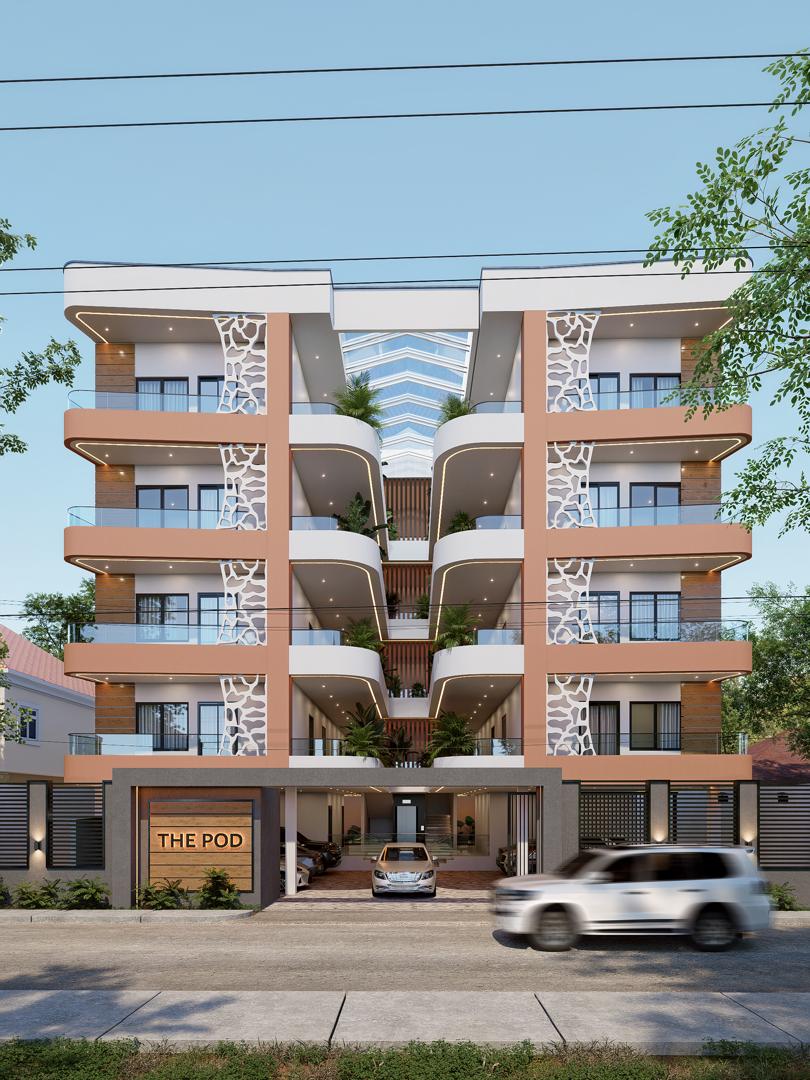
Beyond Project Olympus, Catalyst Properties is introducing THE POD, Yaba, a micro-living development designed around what we describe as micro-living, macro possibilities.
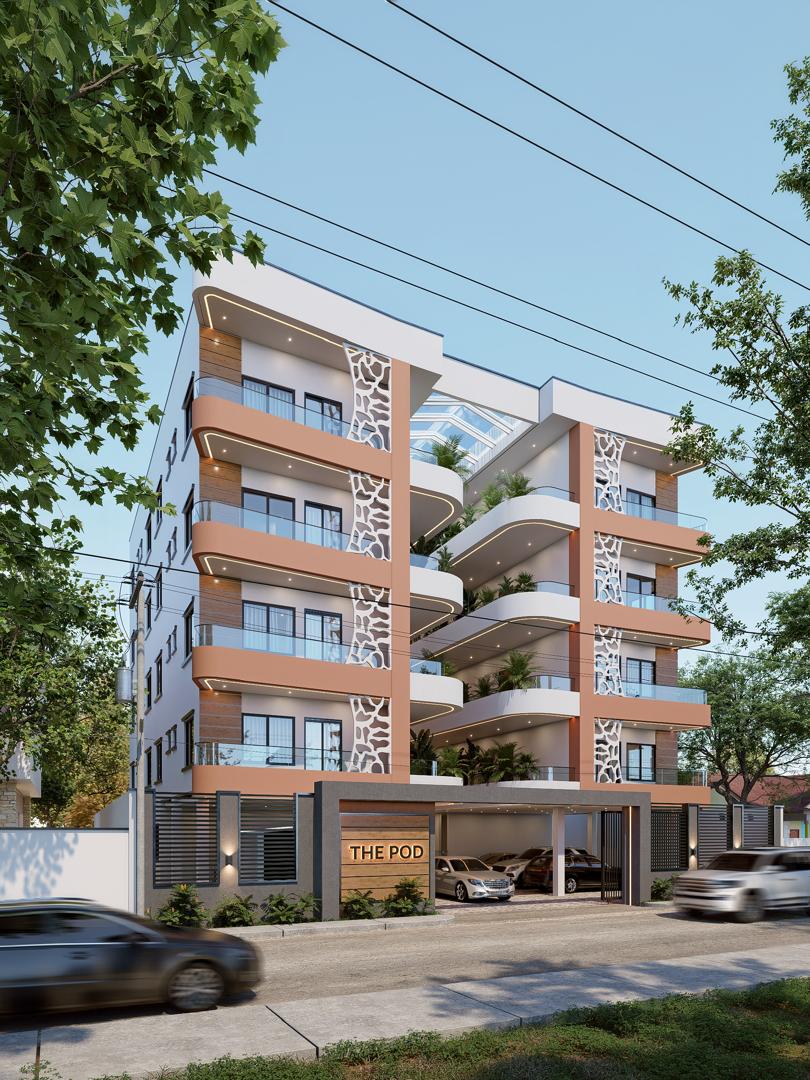
Unlike our previous lease-based projects, THE POD is being introduced with a lifetime ownership proposition. The development will feature studio and bedroom units, with a waitlist currently open.
For prospective buyers, understanding the legal structure behind lifetime ownership is essential. The applicable title, duration, transfer rights, inheritance provisions and associated obligations should all be clearly established in the purchase documents.
Because owning a property should mean understanding exactly what belongs to you.
Whether you are exploring your first property purchase, considering an investment in Yaba or looking for a home you can call your own, start with the right information.
We believe financial freedom begins with informed decisions. Let's help you make your next property decision count.
Talk to Catalyst Properties
Ask about the final phase of Project Olympus or THE POD, Yaba, and request the property documents before you commit.